
Subscribe to receive our daily tech reviews
Lorem ipsum dolor sit amet, consectetur adipiscing elit ut liqua purus sit amet luctus venenatis, lectus magna.


Kwetiau
Learn the differences between bakmi and other noodles like mie ayam, ramen, chow mein, and kwetiau, including texture, cooking methods, and flavor profiles.
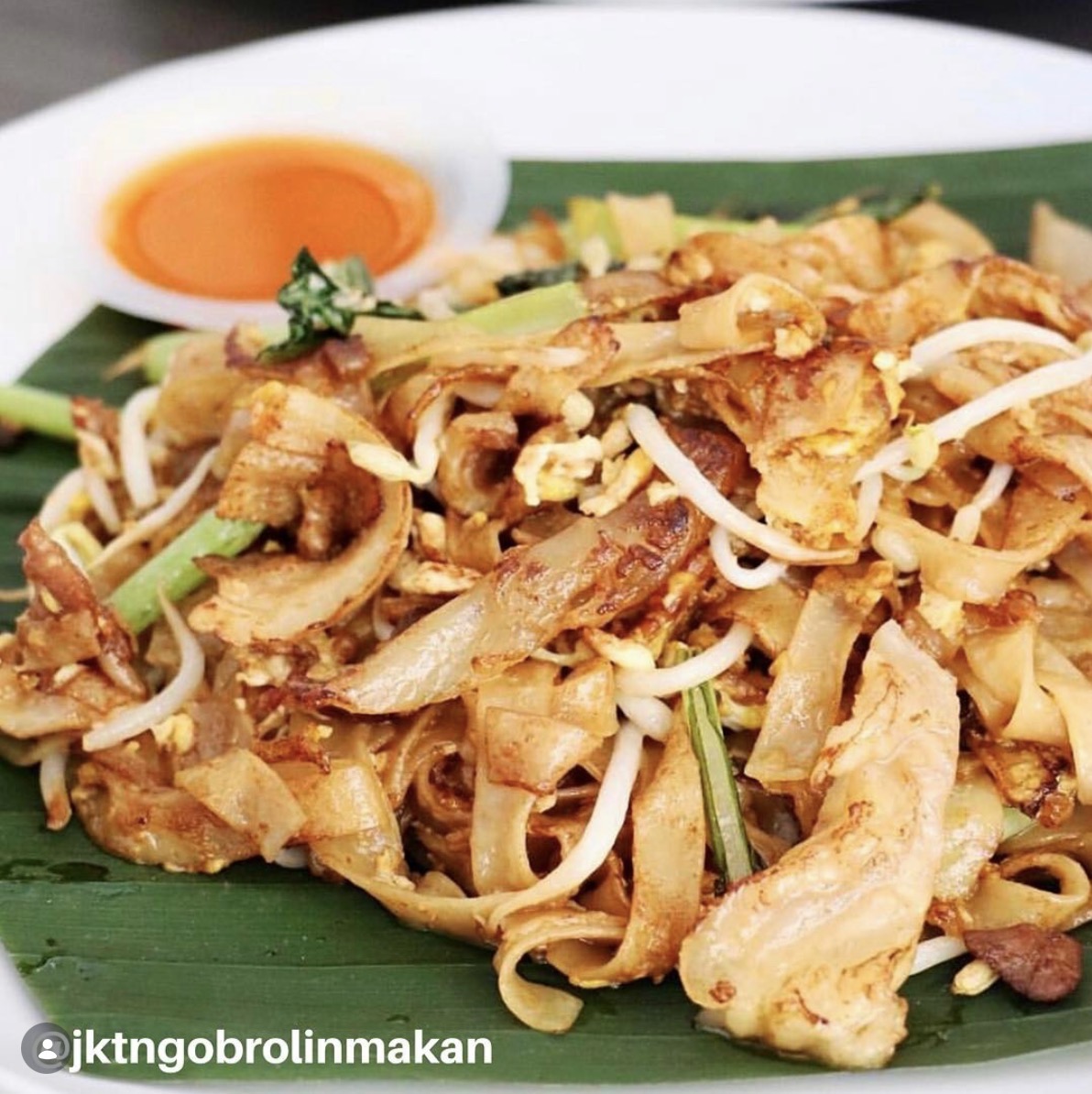
Kwetiau is one of Indonesia’s most satisfying noodle dishes, known for its wide, flat rice noodles and signature smoky flavor. It has Chinese roots, but like bakmi, it has evolved into a comfort food that locals eat anytime — especially at night.
What Is Kwetiau?
Kwetiau is one of the most popular flat noodle dishes in Indonesia.
It’s made from wide rice noodles, usually stir-fried or served in soup, with a softer and slightly chewy texture compared to egg noodles.
The word kwetiau comes from Chinese, but in Indonesia, it has already become its own thing. You’ll find it everywhere — from street stalls to casual restaurants — and most people grow up eating it regularly.
A typical plate of kwetiau comes with toppings like:
- chicken
- shrimp or seafood
- egg
- bean sprouts
- sometimes beef or pork, depending on the place
It’s heavier than bakmi, more oily, and more flavorful.
Kwetiau is the kind of meal you eat when you want something rich, smoky, and satisfying.
Every kwetiau place tastes different. Some are sweeter, some more savory, some very smoky from high-heat cooking. Just like bakmi, locals usually have their go-to spot.
If you want to understand Indonesian street food culture, kwetiau is one of the essentials.
What Makes Indonesian Kwetiau Different?
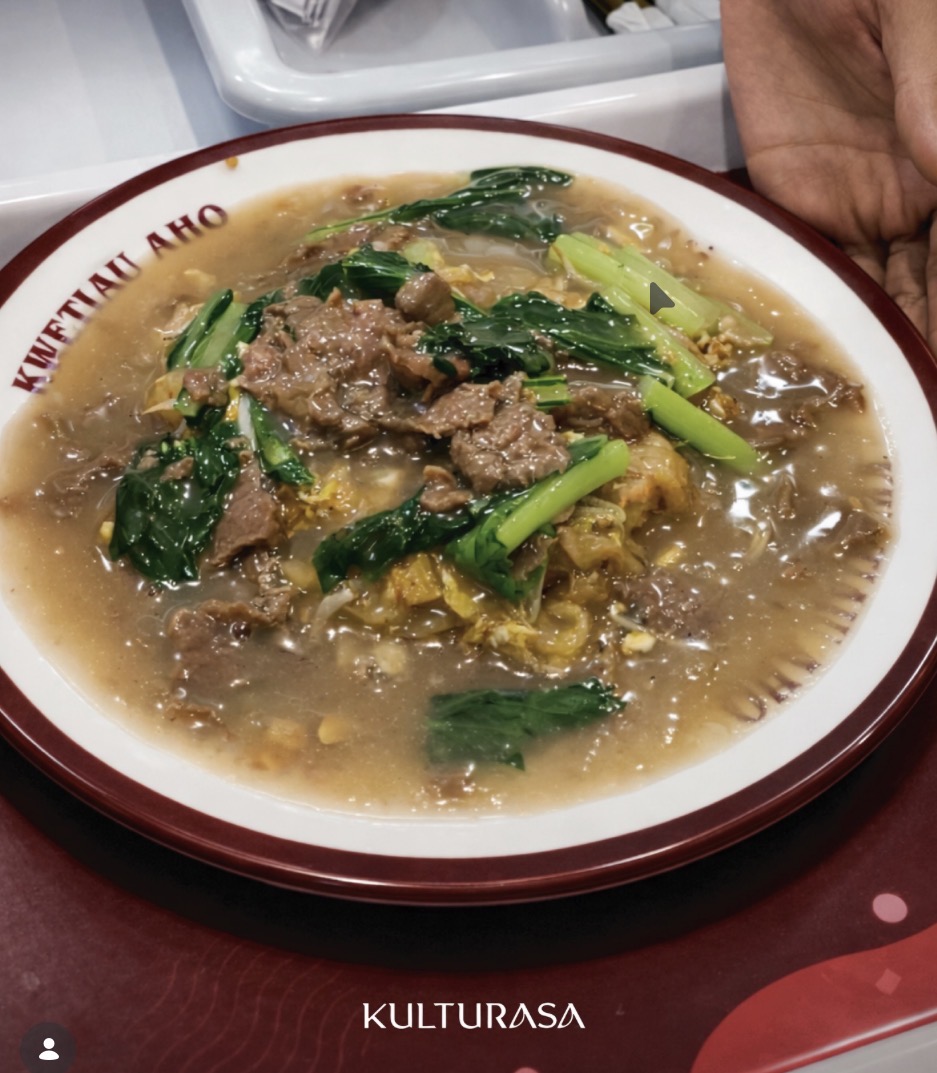
At first glance, kwetiau might look similar to other flat noodle dishes like chow fun or pad see ew — but the Indonesian version has its own identity.
First thing: wok hei matters a lot here.
Most kwetiau is cooked over very high heat, often using a large wok. This creates that slightly burnt, smoky aroma that defines a good plate.
The noodles are soft and wide, and they absorb seasoning really well. Compared to bakmi, kwetiau feels:
- heavier
- oilier
- more “saucy”
Flavor-wise, it usually leans towards sweet and savory, thanks to sweet soy sauce (kecap manis).
Another difference is how it’s eaten. Kwetiau is less customizable than bakmi. You don’t tweak it too much — you just order and eat it as it is.
And unlike bakmi, kwetiau is often seen as:
- a night food
- something you eat when you’re really hungry
- or when you want something indulgent
Kwetiau Origins: Chinese Roots, Indonesian Style
Kwetiau originally comes from Chinese Hokkien cuisine.
The name refers to flat rice noodles that were commonly used in stir-fried dishes by Chinese migrants who settled in Southeast Asia.
Adapting to Indonesia
As with many Chinese dishes in Indonesia, kwetiau adapted over time:
- pork-based versions were replaced with chicken or seafood in many places
- seasoning became sweeter with kecap manis
- cooking style leaned heavily into high-heat street wok technique
This made kwetiau more accessible and widely accepted across Indonesia.
Chinese Technique, Local Flavor
The core technique is still Chinese:
- fast stir-frying
- high heat cooking
- strong control of texture
But the flavor is very Indonesian:
- sweeter
- smokier
- more sauce-forward
Why Kwetiau Feels So Indonesian Today
Even though kwetiau has Chinese roots, most Indonesians don’t think of it as foreign food.
It’s:
- widely available
- commonly eaten
- deeply part of street food culture
Kwetiau is especially tied to late-night eating culture — you’ll often see street vendors cooking it fresh after sunset.
That’s part of the experience: the sound of the wok, the fire, the smell.
Common Kwetiau Styles in Indonesia
Kwetiau doesn’t have as many regional identities as bakmi, but there are a few common styles:
Kwetiau Goreng
The most popular version.
- stir-fried with sweet soy sauce
- smoky, slightly charred
- rich and oily
Kwetiau Kuah
Soup version.
- lighter broth
- softer texture
- less smoky
Seafood Kwetiau
Often found in Chinese-Indonesian restaurants.
- shrimp, squid, fish cake
- more umami flavor
Pork Kwetiau
Less common, but available in non-halal spots.
- richer taste
- often uses lard
Kwetiau vs Other Noodles
Kwetiau vs Bakmi
Kwetiau uses flat rice noodles.
Bakmi uses thin egg noodles.
If you want:
- light and simple → bakmi
- rich and smoky → kwetiau
Kwetiau vs Chow Fun
Very similar in base ingredients.
Indonesian kwetiau is usually sweeter and more saucy.
Kwetiau vs Pad See Ew
Pad see ew uses Thai soy sauce and has a different flavor profile.
Kwetiau relies heavily on kecap manis.
How to Order Kwetiau Like a Local
Ordering kwetiau is simple and straightforward.
Step 1: Choose the Style
- goreng → fried (most common)
- kuah → soup
Step 2: Choose the Protein
- ayam (chicken)
- seafood
- sapi (beef)
- babi (pork, depending on place)
Step 3: Spice Level
- tidak
- sedikit
- pedas
Step 4: Eat It Fresh
Kwetiau is best eaten immediately.
If it sits too long, it gets soggy.
Example orders:
- “Kwetiau goreng ayam, pedas.”
- “Kwetiau seafood kuah.”
Final Thought
Kwetiau is not subtle.
It’s bold, smoky, and satisfying — the kind of food you crave late at night or after a long day.
It may look simple, but getting the texture and heat right is what separates a good plate from a great one.
If you find a stall with real wok hei, stick with it.
[Author Name]
Lorem ipsum dolor sit amet, consectetur adipiscing elit. Suspendisse varius enim in eros elementum tristique. Duis cursus, mi quis viverra ornare, eros dolor interdum nulla, ut commodo diam libero vitae erat. Aenean faucibus nibh et justo cursus id rutrum lorem imperdiet. Nunc ut sem vitae risus tristique posuere.
Related Articles

Don’t miss any article from Curiothings
Lorem ipsum dolor sit amet consectetur adipiscing elit ut aliquam, purus sit amet luctus venenatis lectus magna fringilla urna.